MINT, from the School of Botanicals
MINT, from the School of Botanicals
The history behind
Mint is a genus of plants that grow as an aromatic perennial herb and has traditionally been used in cooking, cosmetics, and as an alternative or a complementary ingredient in medicine. But also used in the famous candy cane which is shaped to look like a shepherd’s staff.

Many active compounds
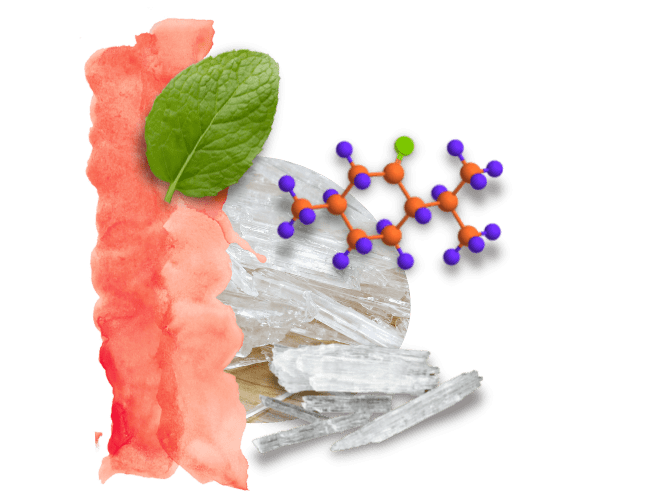
Mint leaves typically contain 1.2–4 % of essential oils, with more than 300 identified compounds.
Menthol is the major compound, followed by menthone, menthyl acetate, 1,8-cineole (eucalyptol), and many more. The chemical composition of mint leaves may vary with the geographical region, weather conditions until harvest, and processing conditions.
It does not only brings a fresh breath
Mint is commonly used in human and animal medicine and is particularly beneficial in supporting the immune system (even against certain viruses), for its antimicrobial effect, strong antioxidant properties, as well as its ability to enhance appetite. And the synergy of essential oils has shown that boost the effect and benefits of the single components, therefore a combination of essential oils is always preferred over one single extracted oil.

Direct benefits for poultry

There are multiple field trials showing the benefits of plants of the Mint genus in poultry production. The benefits are directly related to the nutrition of the animals showing that the active compounds can work as a growth promoter in the early stages of broilers production, and can improve egg quality, egg mass and weight in layer farming. Not only production is improved, but the addition of mint in the diet has also shown to have an effect on ammonia production; improving the air conditions at the farm level.
Where to find it?
In XVET, we count on two of our start products that contain Mint Oil as part of a blend of essential oils: Aromax and Aromax Dry. These two products support the respiratory system of the animal, help to have a better immune response after vaccination and work as non-antibiotic growth promotors; improving the performance of the animal at diverse levels.

Sources:
Riachi L.G., De Maria C.A.B. Peppermint antioxidants revisited. Food Chemistry. 2015;176: 72–81.
Peixoto I.T.A., Furlanetti V.F., Anibal P.C., Duarte M.C.T., Höfling J.F. Potential pharmacological and toxicological basis of the essential oil from Mentha spp. Rev Ciênc Farm Básica Apl. 2009;30(3):235–239.
M. Beigi, M. Torki-Harchegani, A.G. Pirbalout i/ Quantity and chemical composition of essential oil of peppermint (Mentha × piperita L.) leaves under different drying methods / Int. J. Food Prop., 21 (2018), pp. 267-276
H.J.D. Dorman, M. Kosar, K. Kahlos, Y. Holm, R. Hiltunen, Antioxidant properties and composition of aqueous extracts from Mentha species, hybrids, varieties, and cultivars. J. Agric. Food Chem., 51 (2003), pp. 4563-4569
A Abdel-Wareth et al., 2014
Ahmed A A Abdel-Wareth, Saskia Kehraus, Karl-Heinz Südekum, Peppermint and its respective active component in diets of broiler chickens: growth performance, viability, economics, meat physicochemical properties, and carcass characteristics, Poultry Science, Volume 98, Issue 9, 2019


